Car seat for a newborn: i-Size, rear-facing and Isofix
From hospital to home the baby travels in an approved seat, rear-facing and properly secured. i-Size is the current standard and goes by the child's height; Isofix helps you fit it without mistakes.
Published on November 17, 2026.
Download on the App Store · iPhone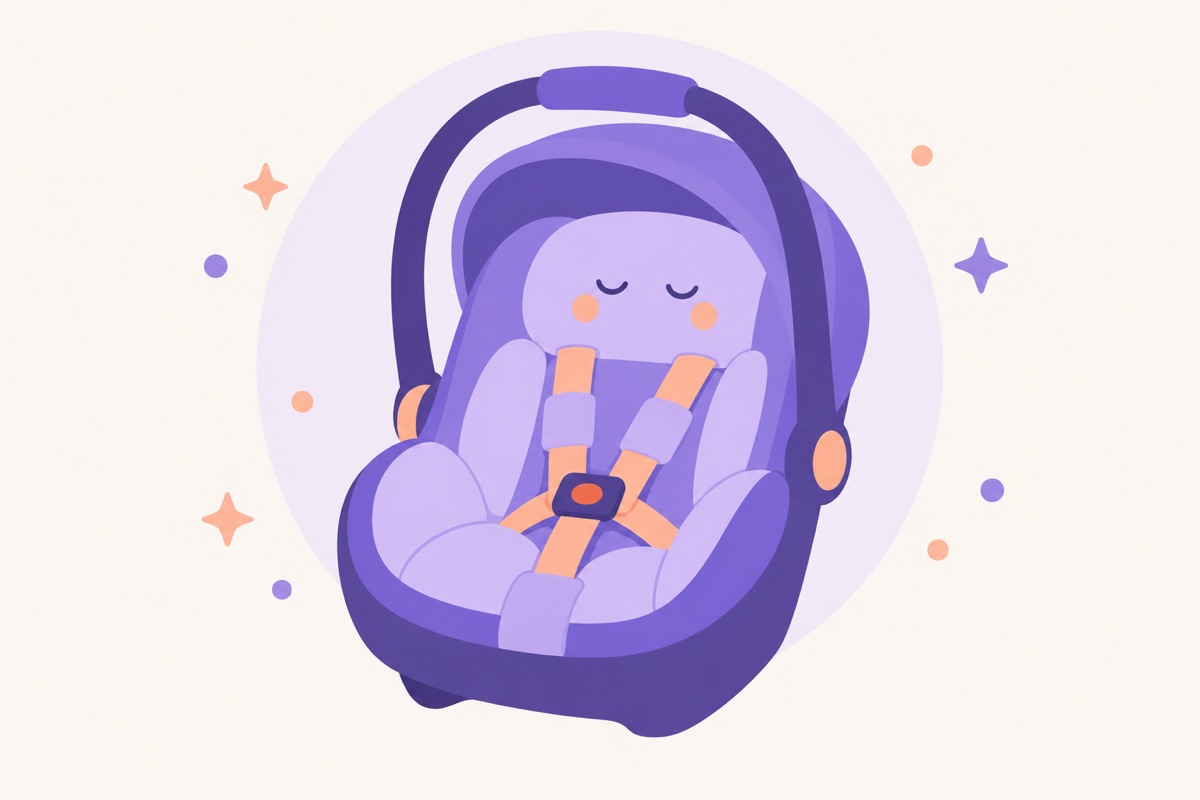
Which seat they need at birth
From the first journey, from the maternity ward to home, the baby travels in an approved child restraint suited to their size. Not in arms and not with the adult seat belt. The law requires it, and it is also what protects them best.
There are two standards on the market. The old one, R44, is based on weight and divides seats into groups. The new one, R129 or i-Size, is based on height and keeps the baby rear-facing for longer.
As they grow, do not be in a hurry to turn them forwards: every extra month rear-facing is more protection. Every few weeks, check whether the head is still below the top edge of the seat; while it is, the seat still fits.
What i-Size means
In an i-Size seat what counts is the child's height, which is easy to measure, and not the weight. The standard requires babies to travel rear-facing, with their back to the direction of travel, until at least fifteen months. It also includes a side-impact test, which the old standard did not ask for.
On the orange label or in the product sheet it must say R129 and a height range. If your baby's height at birth falls within that range, the seat is valid for them. If it gives a maximum weight and a group, it belongs to the old standard.
Why rear-facing
In a frontal crash, the most common kind, the child's body is thrown forwards. Rear-facing, the seat back takes that push and spreads the force across the whole back. A baby's head and neck are heavy in proportion, and that is where the difference shows.
That is why it is recommended to keep them that way for as long as the seat allows, even if their legs end up bent. It does not bother them. And if you put the seat in the front, switch off the passenger airbag first.
Isofix, seat belt and base
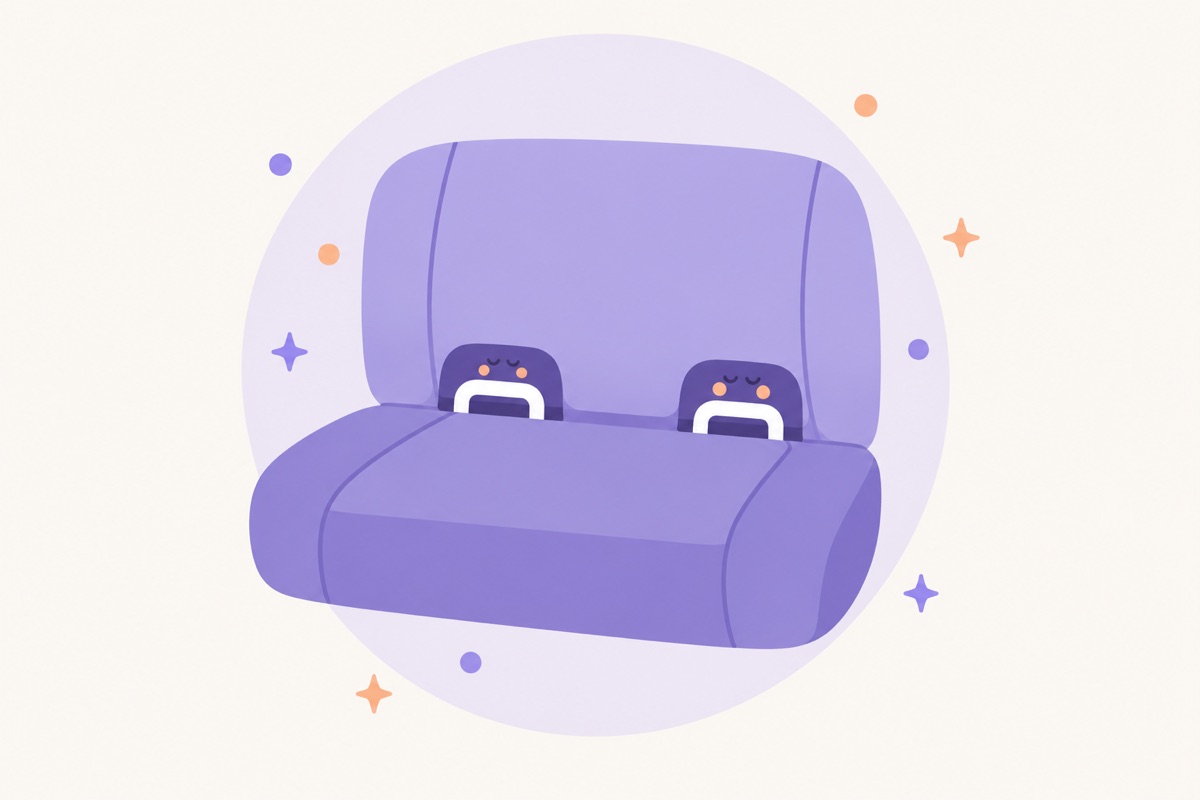
Isofix is a pair of metal anchor points in the car that the seat's base clips onto. It reduces the risk of fitting the seat wrongly, which is the most common fault. Almost all recent cars have it; check the manual, and see whether the seat also asks for a support leg or a top tether.
Without Isofix, many seats are fitted with the car's seat belt, following the belt path in the instructions to the letter. Try the fitting in the shop, with your own car, before buying. A good seat badly fitted protects less than a simple one fitted well.
Swivelling i-Size car seats let you sit the baby in and lift them out without twisting your back; the guide compares height range, base and price.
Four checks before you set off
- The seat does not move more than about two fingers in any direction.
- The straps go over the shoulders, with no slack or twists.
- The harness is tight enough that you cannot fit a finger between the strap and the chest.
- No thick coats under the harness; the blanket goes on top.
On long journeys, stop every hour or two and take the baby out of the seat: it is not a place for sleeping outside the car.
Buying it before the birth
It is one of the few purchases that cannot wait, because you need it to leave the hospital. Try it in your car, check the sizes and leave it fitted a few weeks before the due date. Saving two models in the baby list helps you decide: each entry shows the price in several shops.
For official information on child restraint systems, the Spanish traffic authority (DGT) has it at dgt.es.
Frequently asked questions
Which car seat does a newborn need?
An approved one suited to their size, rear-facing. i-Size (R129) seats are chosen by height and keep the baby rear-facing until at least fifteen months.
Is a car seat compulsory for leaving the hospital?
Yes. A baby cannot travel in arms or with the adult seat belt, including on the first journey from the maternity ward.
What is the difference between i-Size and group 0 seats?
i-Size is based on height, is more recent, requires rear-facing until fifteen months and includes a side-impact test. Groups 0 and 0+ follow the old standard, which uses weight.
Do you need Isofix?
Not always, but it makes fitting much easier and reduces mistakes. If your car has it, it is the safest way to fit the seat.
The essentials of Meceluna are free and have no ads.
Download on the App Store · iPhone